Tools2026
01
readme-gen
A zero-dependency Rust CLI that scans a repository, renders a bilingual README, and fails its own check when a documented number drifts.
Rust 2021CLISHA-256+2
Case study
I'm Miles Li, a platform engineer working across Kubernetes, cloud infrastructure, distributed middleware, observability, and automation. I turn fragmented infrastructure into systems that behave predictably.
The system is the core; I am its architect.
Field notes
84 frames
Six projects that best represent how I work: make the boundaries explicit, measure what matters, and keep the result operable.
A zero-dependency Rust CLI that scans a repository, renders a bilingual README, and fails its own check when a documented number drifts.
Reusable Docker dev containers for six toolchains on macOS and Windows, plus Kubernetes manifests and a Kafka/KEDA autoscaling walkthrough.
A C++23 benchmark for blocked matrix multiplication that reports GFLOPS, speedup, and parallel efficiency across machines.
A team study of nine matrix-multiplication variants — FIFO, LIFO, async, TBB, OpenMP, and BLAS — measured with Linux perf on three CPUs.
Kubernetes manifests and a bootstrap script for Grafana with a 15 GiB persistent volume, probes, resource limits, and an optional ingress.
An early C++20/Boost.Asio TCP proxy prototype: two coroutines per connection, an 8 KiB buffer per direction, hardcoded routing.
The tools change; the approach does not. Define the boundary, automate the repeatable part, then make the state observable.
Kubernetes-first platforms with declarative delivery and reproducible environments.
Stateful middleware operated in production, including cross-region migration work.
Turning runtime state into evidence: metrics, logs, dashboards, and alerts.
Reducing operational entropy with pipelines, configuration, and small sharp tools.
Working principle
“The system is the core; I am its architect.”
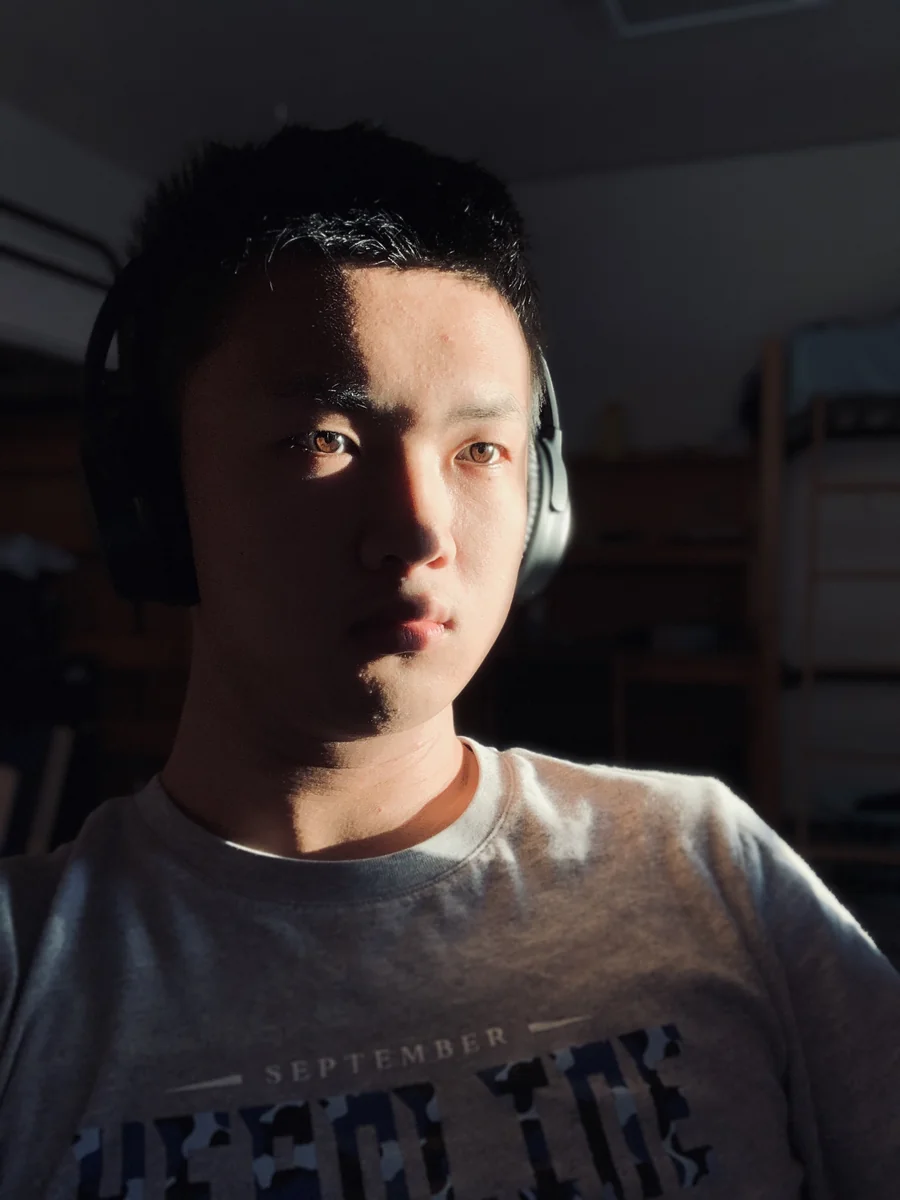
I work at the intersection of Kubernetes, cloud infrastructure, distributed systems, observability, and automation. Most of my time goes into turning fragmented infrastructure into reproducible, operable systems.
That usually means removing accidental complexity, drawing explicit boundaries, and making failure modes visible before they become incidents. The same instinct shows up in smaller projects: a README generator that refuses to lie about its numbers, a benchmark that reports its own scaling efficiency, a proxy built to understand the layer below.
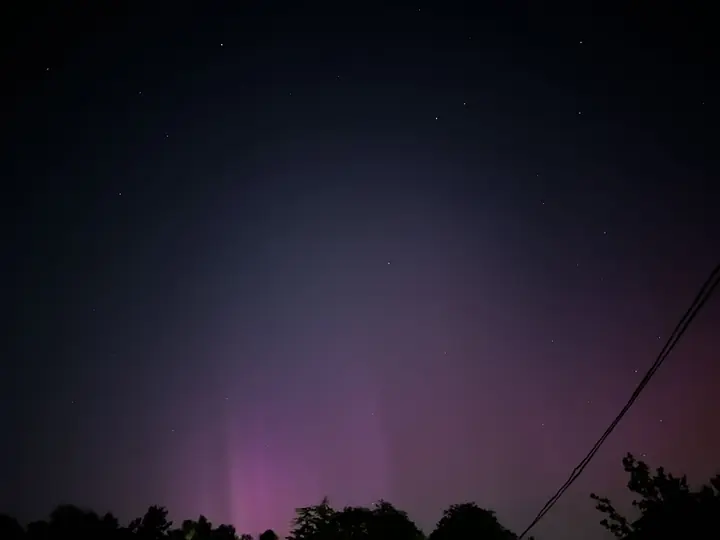
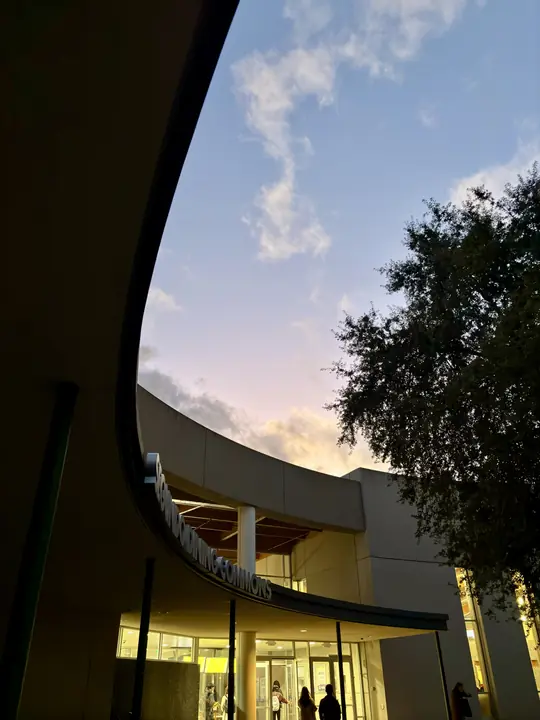
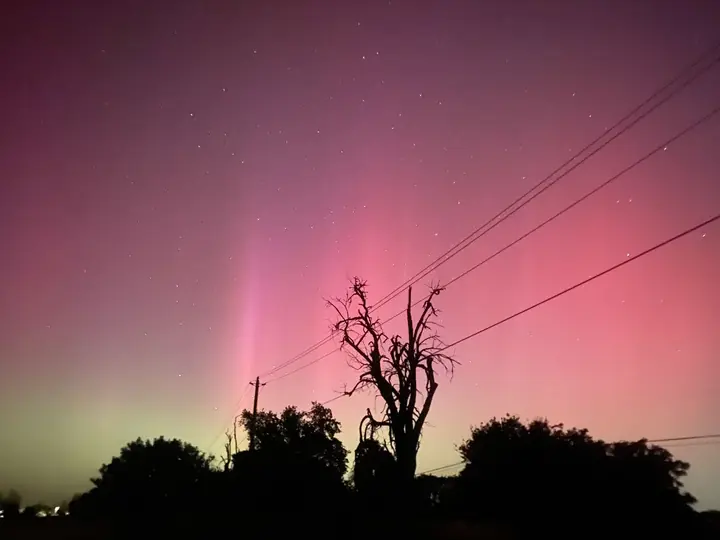
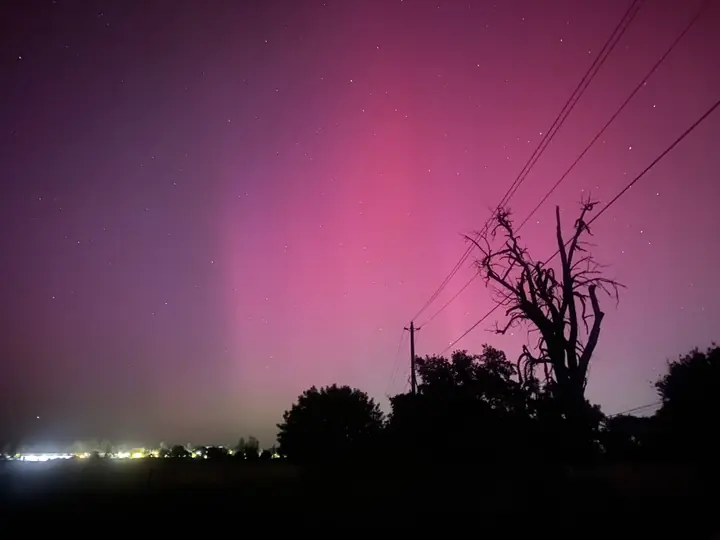
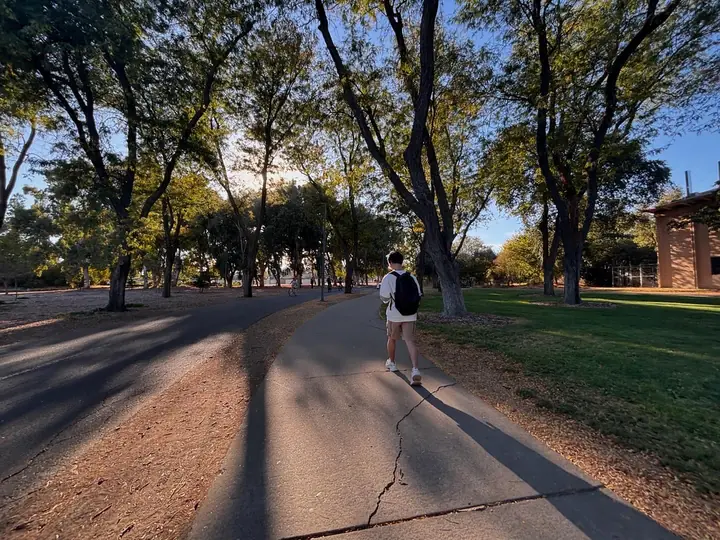
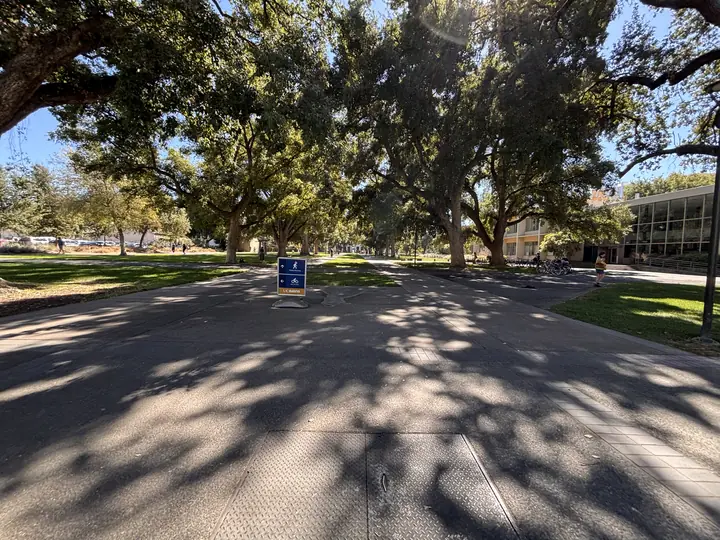
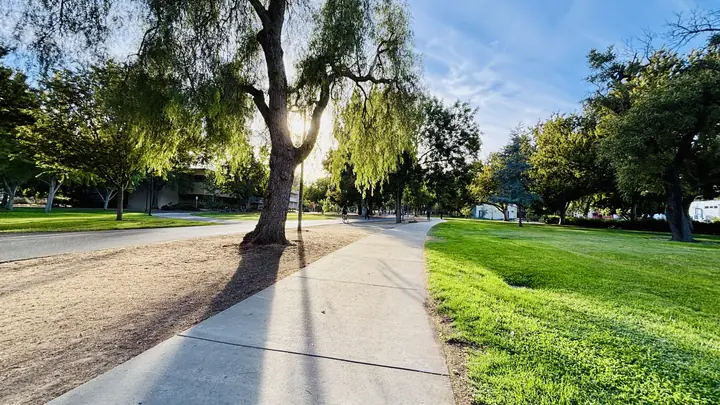
Away from the terminal I photograph landscapes and quiet in-between moments. The gallery is the other half of the same practice: paying attention to what is actually there.
The other half of paying attention: light, weather, and places that do not need to be optimized.